
Recap Einstein Telescope Industry Webinar 25 November 2025
Empowering Industry with Einstein Telescope R&D Facilities
The Einstein Telescope (ET) Industry Webinar on 25 November once again brought together science and industry around one central question: how do we jointly develop the technologies needed for the next generation of gravitational-wave detectors? This second edition highlighted how companies are already contributing to, and benefiting from, high-tech facilities such as ETpathfinder in Maastricht and ET-CRISTAL in Liège. We also explored how enterprises from Belgium, the Netherlands and Germany can engage with this unique high-tech ecosystem.
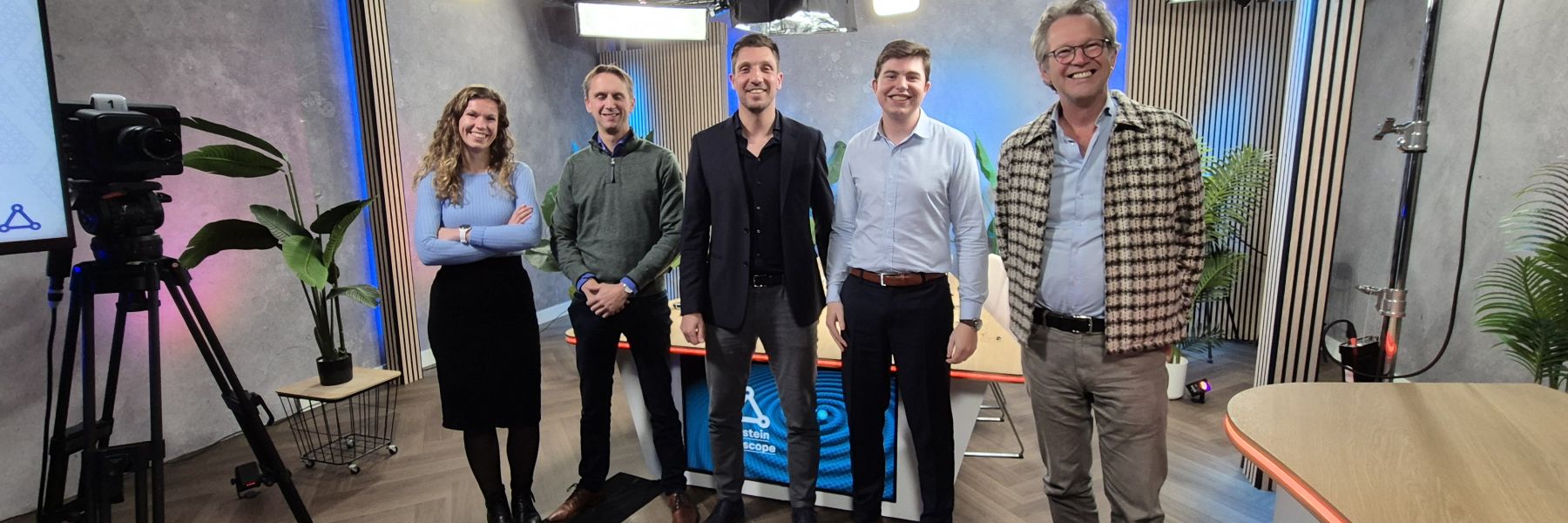
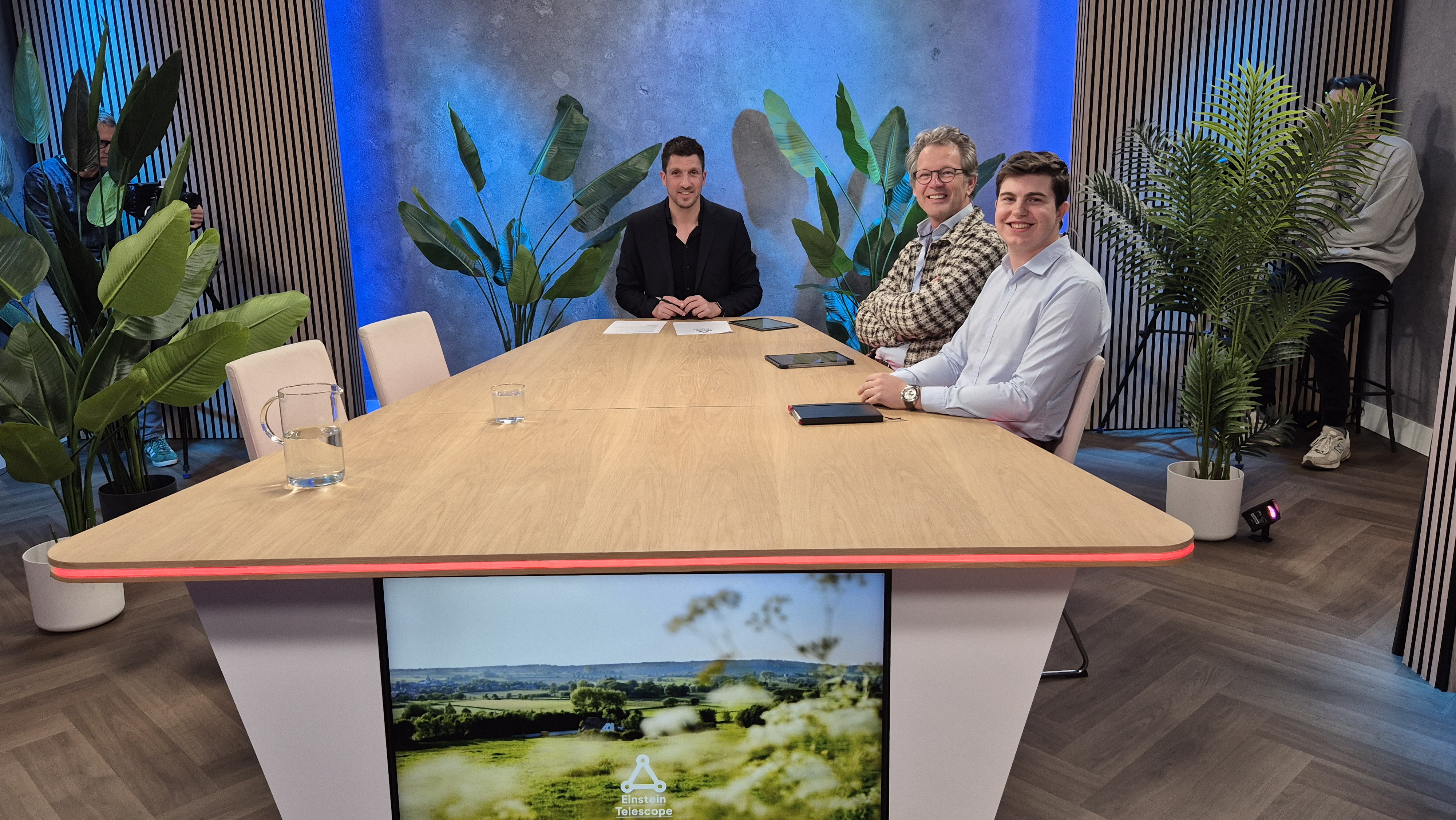
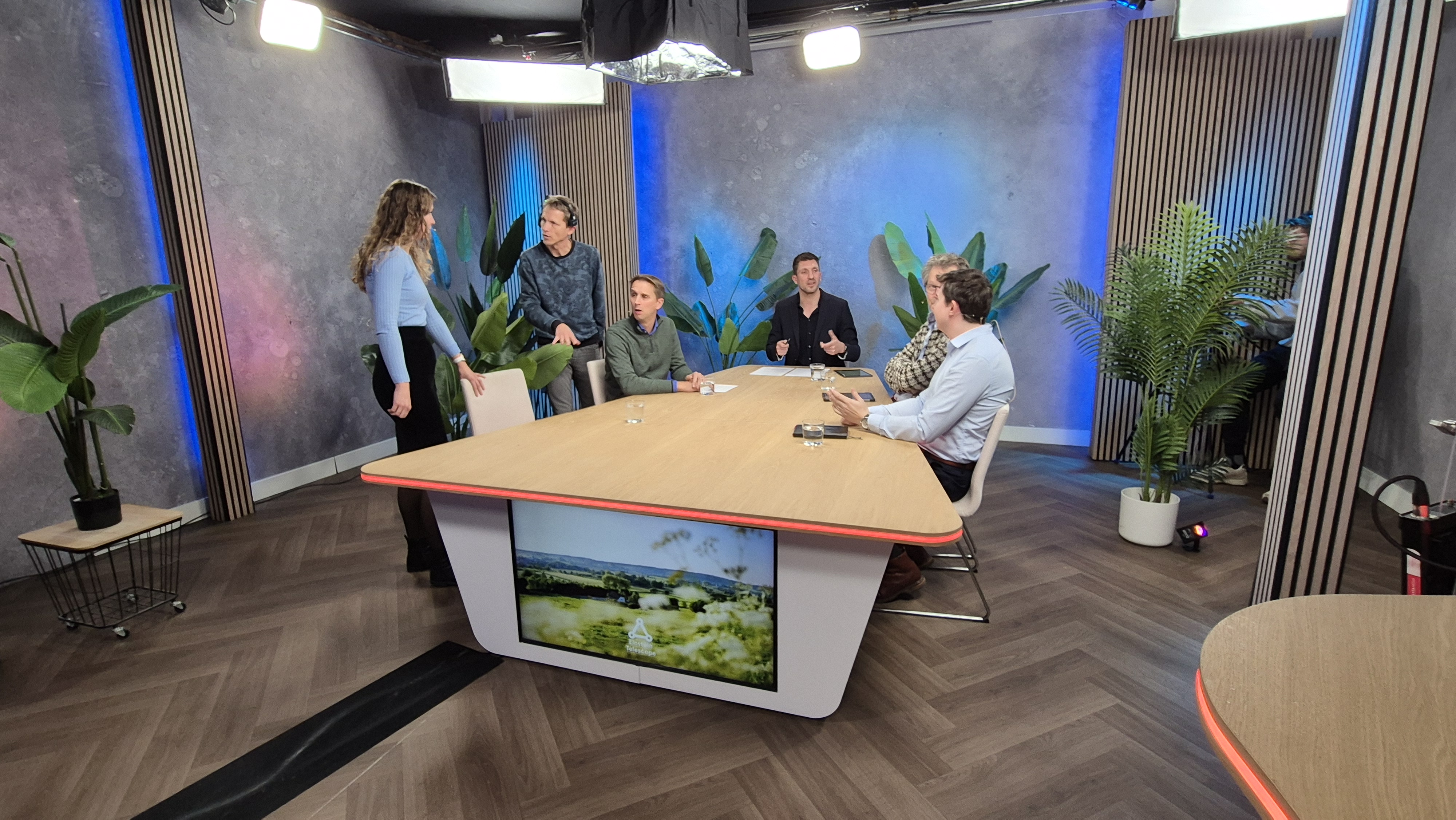
With contributions from Stan Bentvelsen (CSO Einstein Telescope EMR Project Office), Pieter Lerou (Managing Director DEMCON kryoz), Romaine Kunst (Thermal Systems Engineer DEMCON kryoz and Project Lead Zero Vibration Cryo-Cooler), and Sam Jordens (Business Developer Einstein Telescope POM Limburg), this second edition again offered valuable insights. The session was again hosted by Jorik Kreuwels (Business Developer Einstein Telescope LIOF).
Missed the webinar?
Recap: roundtable on cryogenic technology, R&D facilities and the ET ecosystem
Opening – The innovation engine behind the Einstein Telescope
Jorik Kreuwels (LIOF) set the stage: ET is not only a scientific project, but a catalyst for cross-border innovation in the Euregio Meuse-Rhine (EMR). The Einstein Telescope requires breakthrough technologies in among others cryogenics, vacuum engineering, optics and vibration damping. The new R&D facilities act as prototypes of the future: places turning theoretical challenges into practical solutions, and where researchers and companies co-develop technologies that can also flow into broader industry applications.
Scientific foundations and technological breakthroughs for ET
Stan Bentvelsen (ET EMR Project Office) provided insight into the scientific and technological challenges behind ET. The Einstein Telescope requires extremely low vibration levels and ultra-low temperatures, far beyond what previous detectors worldwide have achieved. The R&D facilities function as integration centres where new technologies are tested together. International collaboration and parallel R&D routes (e.g. different cooling technologies) are essential.
“Champions League technology requires pursuing multiple routes at once.” - Stan Bentvelsen
Vibration-Free Cryo-cooling for the Einstein Telescope
Romaine Kunst and Pieter Lerou (DEMCON kryoz) presented their groundbreaking work on the Zero Vibration Cryo-Cooler, a crucial technology to cool the ET mirrors down to 10 Kelvin. The cooling system combines sorption compression with a Joule-Thomson cooler, is fully vibration-free, and contains no moving parts, a key requirement to eliminate noise in measurements. ETpathfinder and the University of Twente serve as testbeds where the technology can be validated under realistic conditions.
DEMCON also highlighted the importance of systems engineering in interdisciplinary collaboration between companies and academic partners. And the consortium regularly seeks specialized suppliers, ranging from cryo-compatible components to precision engineering.
“Small companies with niche technologies can truly make a difference here.” - Pieter Lerou
Business opportunities and ecosystem development
Sam Jordens (POM Limburg) outlined the rapidly expanding ET ecosystem in the EMR. Interest among high-tech companies is growing due to the strong political and scientific momentum behind ET. While many companies understand the technological challenge, they often ask: “How does this fit into my business model?” “ET offers opportunities to develop technology that is also applicable in quantum technology, aerospace, and life sciences and that’s where the business model can be completed.”
“There is strong political and scientific support for ET, and the number of participating companies is growing fast.” – Sam Jordens
Programmes & Funding opportunities for companies
Various attractive programmes exist for entrepreneurs in the Netherlands, Belgium and Germany, including STIPP and COMET, both Interreg programs within the EMR site and regional innovation vouchers and support via the ET-EMR Business Desk.
Business Developers in the four regions support companies with project ideas, partner search, funding applications (ET2SMEs, STIPP, COMET) and matchmaking between industry and academia.
Want to explore the options? Visit our website and contact us.
Why participation in the Einstein Telescope ecosystem is so valuable
Companies become part of European high-tech consortia with direct access to R&D infrastructures such as ETpathfinder, ET-CRISTAL, and the UHV.NRW Lab in RWTH Aachen. They gain access to scientific expertise in cryogenics, vacuum engineering, optics and vibration control. There is also the opportunity to develop technology that extends far beyond ET alone.
In March 2026, we look forward to welcoming you to the third ET Industry Webinar. Follow us on social media and check the event calendar on this website or the website of Einstein Telescope.
LinkedIn Einstein Telescope EMR



Join the ET ecosystem
Would you like your company to contribute to Einstein Telescope technologies or explore potential opportunities?
Visit the website Einstein Telescope EMR to find your regional business developer (NL / BE / DE).
Or contact the ET-EMR Business Desk directly.